Buying a home is one of the biggest financial decisions you'll ever make. With so much money and emotion involved, it’s easy to focus on curb appeal, dreamy kitchens, or big backyards. But one
Dated: June 16 2025
Views: 101
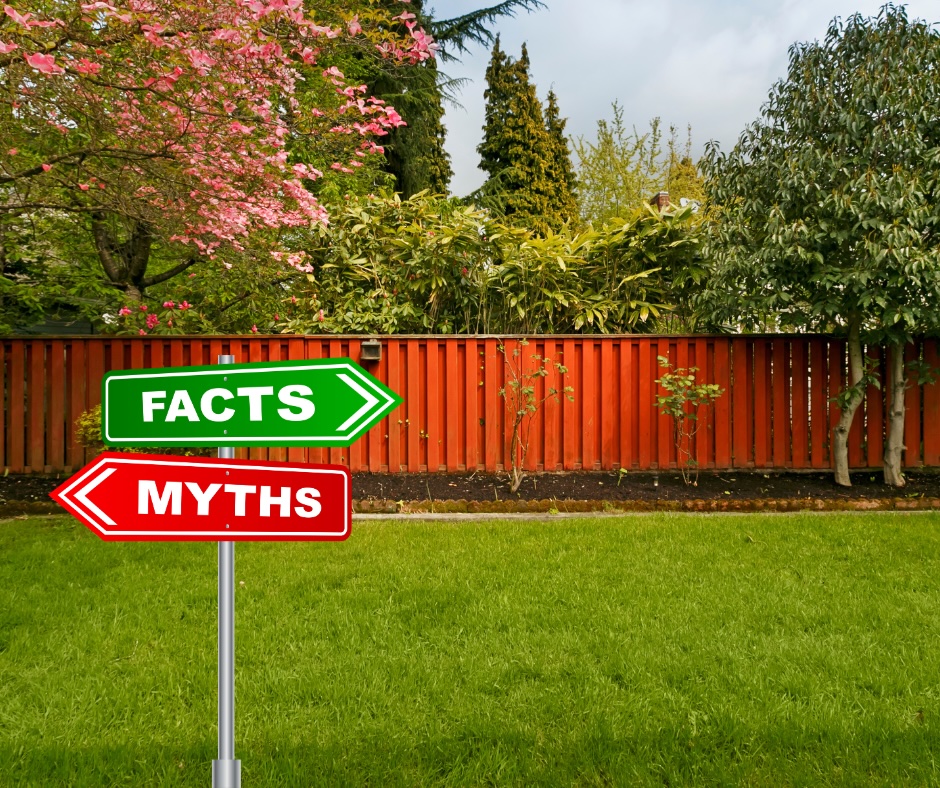
When it comes to buying a home, one topic that causes a lot of confusion (and unnecessary stress) is the down payment. You've probably heard that you need to save 20% or that buying without a huge nest egg is impossible. But are those things true?
Let’s clear the air by debunking some of the most common down payment myths—and giving you the real facts so you can move forward with confidence.
The Truth: While putting 20% down can help you avoid private mortgage insurance (PMI), it’s not a requirement.
Many lenders offer conventional loans with as little as 3–5% down, and government-backed loans like FHA loans require just 3.5% down for qualified buyers. VA and USDA loans may even offer zero-down options for eligible buyers.
Bottom Line: Don't let the 20% myth delay your homeownership dreams.
The Truth: While a larger down payment can lower your monthly mortgage payment and reduce interest over time, it’s not always the smartest move.
Tying up too much cash in your home can leave you “house poor,” without enough savings for emergencies, repairs, or other financial goals.
Bottom Line: Strive for balance—put down what makes financial sense for your budget and lifestyle.
The Truth: You can use gift money for a down payment—as long as it’s properly documented.
Lenders typically require a gift letter stating that the money isn’t a loan and won’t need to be repaid. There may be limits on how much can be gifted depending on the loan type.
Bottom Line: Family support can be a huge help—just make sure it’s all recorded correctly.
The Truth: Even with no down payment, there are still upfront costs to buying a home—like closing costs, inspections, and moving expenses.
Closing costs typically range from 2–5% of the loan amount, and you’ll want some cushion after closing for peace of mind.
Bottom Line: Zero-down doesn’t mean zero-cost. Have a savings plan in place.
The Truth: There are hundreds of state and local assistance programs available—and many are open to moderate-income earners, first-time buyers, and even repeat buyers.
Some offer grants, forgivable loans, or matching savings programs to make your purchase more affordable.
Bottom Line: Don’t assume you won’t qualify. It’s worth exploring your options.
Believing these myths could cost you time, money, or the chance to buy a home when you’re actually ready. The truth is, down payments are more flexible than many people think—and with the right guidance, homeownership might be closer than you realize.
Thinking about buying a home? Talk to a lender or real estate professional to explore your options. You might be surprised at what’s possible!

I’m a Louisiana native with a love for real estate, renovation, and helping people feel at home — literally and figuratively. I grew up in Franklinton and now serve the Northshore with a commitmen....
Buying a home is one of the biggest financial decisions you'll ever make. With so much money and emotion involved, it’s easy to focus on curb appeal, dreamy kitchens, or big backyards. But one
If you’re in the market to buy a home, you’ve probably already realized that there are many types of mortgages available. Choosing the right one can significantly affect your monthly
When it comes to buying a home, one topic that causes a lot of confusion (and unnecessary stress) is the down payment. You've probably heard that you need to save 20% or that buying without a huge
Buying your first home is an exciting milestone—but let’s be honest, the process can feel like learning a new language. From “escrow” to “contingencies,” real
 Copyright © 2026 New Orleans Metropolitan Association of REALTORS®, Inc. All Rights Reserved. The sharing of MLS database, or any portion thereof, with any unauthorized third party is strictly prohibited. Information contained on this site is believed to be reliable; yet, users of this web site are responsible for checking the accuracy, completeness, currency, or suitability of all information. Neither the New Orleans Metropolitan Association of REALTORS®, Inc. nor the Gulf South Real
Estate Information Network, Inc. makes any representation, guarantees, or warranties as to the accuracy, completeness, currency, or suitability of the information provided. They specifically disclaim any and all liability for all claims or damages that may result from providing information to be used on the web site, or the information which it contains, including any websites maintained by third parties, which may be linked to this web site. The information being provided is for the consumers personal, non-commercial use, and may not be used for any purpose other than to identify prospective properties which consumers may be interested in purchasing. The user of this site is granted permission to copy a reasonable and limited number of copies to be used in satisfying the purposes identified in the preceding sentence. Last Updated: September 23, 2026 12:53 AM UTC
Show More...
Copyright © 2026 New Orleans Metropolitan Association of REALTORS®, Inc. All Rights Reserved. The sharing of MLS database, or any portion thereof, with any unauthorized third party is strictly prohibited. Information contained on this site is believed to be reliable; yet, users of this web site are responsible for checking the accuracy, completeness, currency, or suitability of all information. Neither the New Orleans Metropolitan Association of REALTORS®, Inc. nor the Gulf South Real
Estate Information Network, Inc. makes any representation, guarantees, or warranties as to the accuracy, completeness, currency, or suitability of the information provided. They specifically disclaim any and all liability for all claims or damages that may result from providing information to be used on the web site, or the information which it contains, including any websites maintained by third parties, which may be linked to this web site. The information being provided is for the consumers personal, non-commercial use, and may not be used for any purpose other than to identify prospective properties which consumers may be interested in purchasing. The user of this site is granted permission to copy a reasonable and limited number of copies to be used in satisfying the purposes identified in the preceding sentence. Last Updated: September 23, 2026 12:53 AM UTC
Show More...
